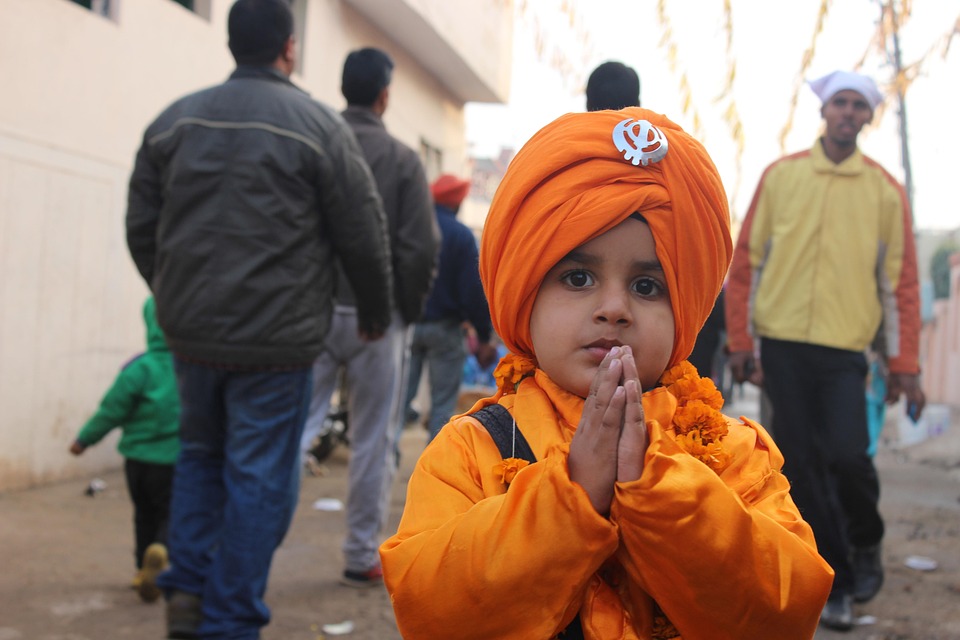
Sikhism is one of the youngest religions in the world, emerging in the fifteenth century in present-day Punjab, India. It is a monotheistic faith that originated as a reaction against the caste system, ritualism, and idol worship prevalent in Hinduism and Islam. Sikhism emphasizes living a truthful and moral life, serving others, and reflecting on the divine wisdom enshrined in the holy scripture, the Guru Granth Sahib.
The Gurmukhi language, also known as Punjabi, is the primary medium of expression for Sikhism’s sacred texts, hymns, and prayers. Gurmukhi is a script derived from the Brahmi script and is written from left to right, unlike Hindi and Urdu, which are written from right to left. Guru Nanak Dev, the founder of Sikhism, invented Gurmukhi in the sixteenth century to democratize spiritual knowledge and facilitate his message’s dissemination to the masses.
Gurmukhi has not only preserved Sikhism’s rich heritage and beliefs but also fostered Sikh identity and pride worldwide. It has allowed Sikhs to understand and appreciate the nuanced meanings of scripture, communicate with fellow Sikhs, and follow the Guru’s teachings. Gurmukhi has also enabled Sikhs to connect with their divine heritage by reciting and singing kirtan, the devotional singing of hymns from the Guru Granth Sahib.
Moreover, Gurmukhi has played a critical role in the preservation and promotion of Punjabi language and culture. It has served as a vehicle for Punjabi literature, poetry, and music, which have enriched not only Punjabi but also Indian and world literature. Gurmukhi has facilitated Punjabi’s widespread use, whether in educational, religious, bureaucratic, or cultural contexts, and prevented its marginalization by external influences.
In conclusion, the importance of Gurmukhi language in Sikhism cannot be overstated. It is a symbol of Sikhism’s spiritual and cultural heritage, enabling Sikhs to connect with their religion, express their identity, and communicate with their community. Therefore, it is essential to preserve and promote Gurmukhi, not only among Sikhs but also in wider society, as it bears testimony to the universality of Sikhism’s message of inclusivity, equality, and peace.