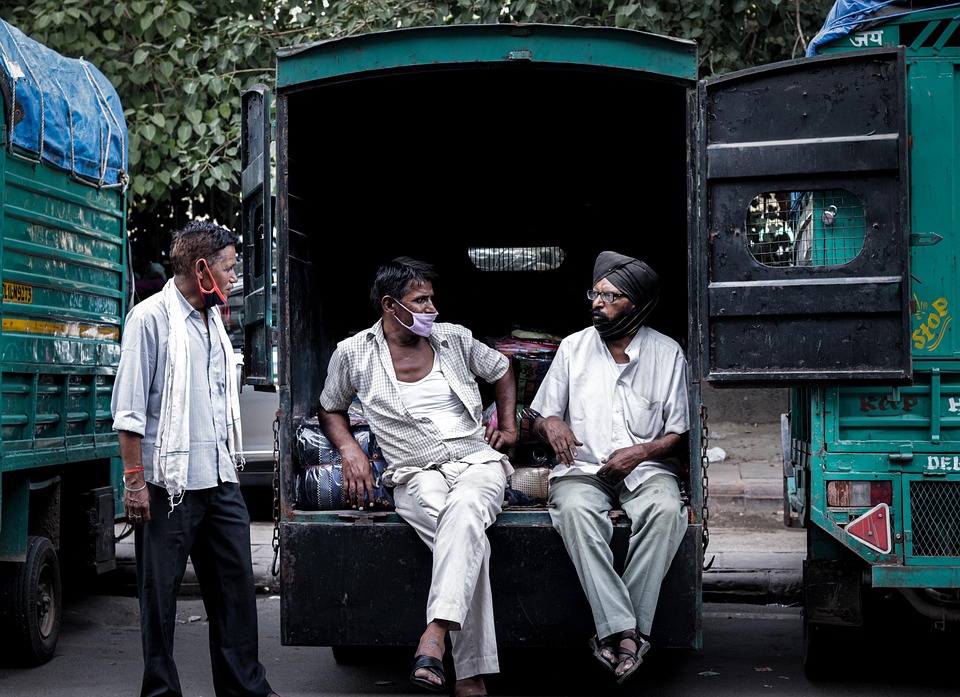
Punjabi is an Indo-Aryan language spoken primarily in the Punjab region of India and Pakistan. With over 100 million native speakers worldwide, Punjabi is the 10th most widely spoken language in the world. Punjabi is also the official language of the Indian state of Punjab and is widely spoken in Delhi, Haryana, and Uttar Pradesh. In Pakistan, Punjabi is spoken in Punjab and Islamabad.
Punjabi has a rich literary tradition dating back to the 13th century with Sikhism’s founder, Guru Nanak Dev, becoming the first Punjabi poet to have been recorded. The language continued to flourish under the Sikh Empire (1799–1849), with a range of literature being produced, including the works of the poet Waris Shah, who wrote the famous epic poem Heer Ranjha. The language was further developed during the British Raj, with the establishment of Punjabi-language schools, and the Punjabi language has continued to thrive post-Independence.
Reading and writing in Punjabi can open up a world of culture, history, and tradition to learners. Punjabi has a rich history of poetry, music, and literature that is unique to the region. The language also has a deep connection to the Sikh religion and music, making it a vital and vibrant part of India’s cultural heritage.
To learn how to read and write in Punjabi, one can start by learning the Gurmukhi script. Gurmukhi is the writing system used to write Punjabi and is written from left to right. It is a phonetic script, meaning that each letter represents a sound in the language. There are a total of 35 letters in Gurmukhi, with 10 vowels, 5 nasal sounds, and 20 consonants. It may seem overwhelming at first, but with practice and dedication, one can quickly master the Gurmukhi script.
Once one has mastered the basics of the Gurmukhi script, they can start learning the Punjabi language. Learning Punjabi involves understanding the Punjabi grammar, vocabulary, and pronunciation. With the help of language learning resources, books, and online tutorials, one can develop a good understanding of the Punjabi language.
In addition to the language itself, one can also explore Punjabi literature to further develop their understanding of the language and culture. Punjabi literature includes novels, short stories, poetry, and plays, each with different themes and styles. Reading Punjabi literature can improve one’s vocabulary, grammar, and comprehension skills and expose them to Punjabi culture and history.
In conclusion, reading and writing in Punjabi can be a rewarding and enriching experience. Punjabi is a language with a rich cultural heritage and literary tradition. Learning Punjabi can help learners connect with the Punjabi people, culture, and history. So, whether it is for personal or professional reasons, learning Punjabi is an excellent decision for anyone looking to connect with Punjabi culture and heritage.